
Modern roads are no longer just physical infrastructure—they are becoming intelligent ecosystems powered by data. As cities expand and traffic intensifies, traditional inspection methods are rapidly giving way to Smart Road Monitoring Systems that enable real-time, data-driven decision-making.
From manual surveys to AI-powered insights, the shift toward Digital Road Monitoring Solutions is transforming how governments, engineers, and contractors manage road assets. The result? Safer roads, optimized maintenance, and smarter infrastructure planning.
What are Smart Road Monitoring Systems?
Smart Road Monitoring Systems are advanced, technology-driven solutions designed to assess, track, and analyze road conditions using sensors, AI, and connected devices.
These systems combine:
- IoT in Road Monitoring
- AI Road Monitoring algorithms
- High-resolution imaging and sensors
- Cloud-based analytics platforms
Unlike traditional inspection methods, Road Condition Monitoring is now automated, continuous, and highly accurate.
Key functions include:
- Detecting potholes, cracks, and surface wear
- Measuring ride quality (IRI and roughness)
- Monitoring traffic loads and environmental impacts
- Supporting Road Asset Management decisions
Key Features of Smart Road Monitoring Systems
Smart monitoring technologies bring a powerful set of features that redefine infrastructure management.
Real-Time Data Collection
- Continuous Road Surface Monitoring using sensors and cameras
- Instant detection of anomalies like potholes or cracks
AI-Powered Analysis
- Machine learning models for Automated Road Inspection
- Predictive maintenance insights based on historical data
High-Precision Imaging
- LiDAR, 3D scanning, and HD cameras
- Accurate mapping of pavement conditions
Cloud-Based Infrastructure Monitoring Systems
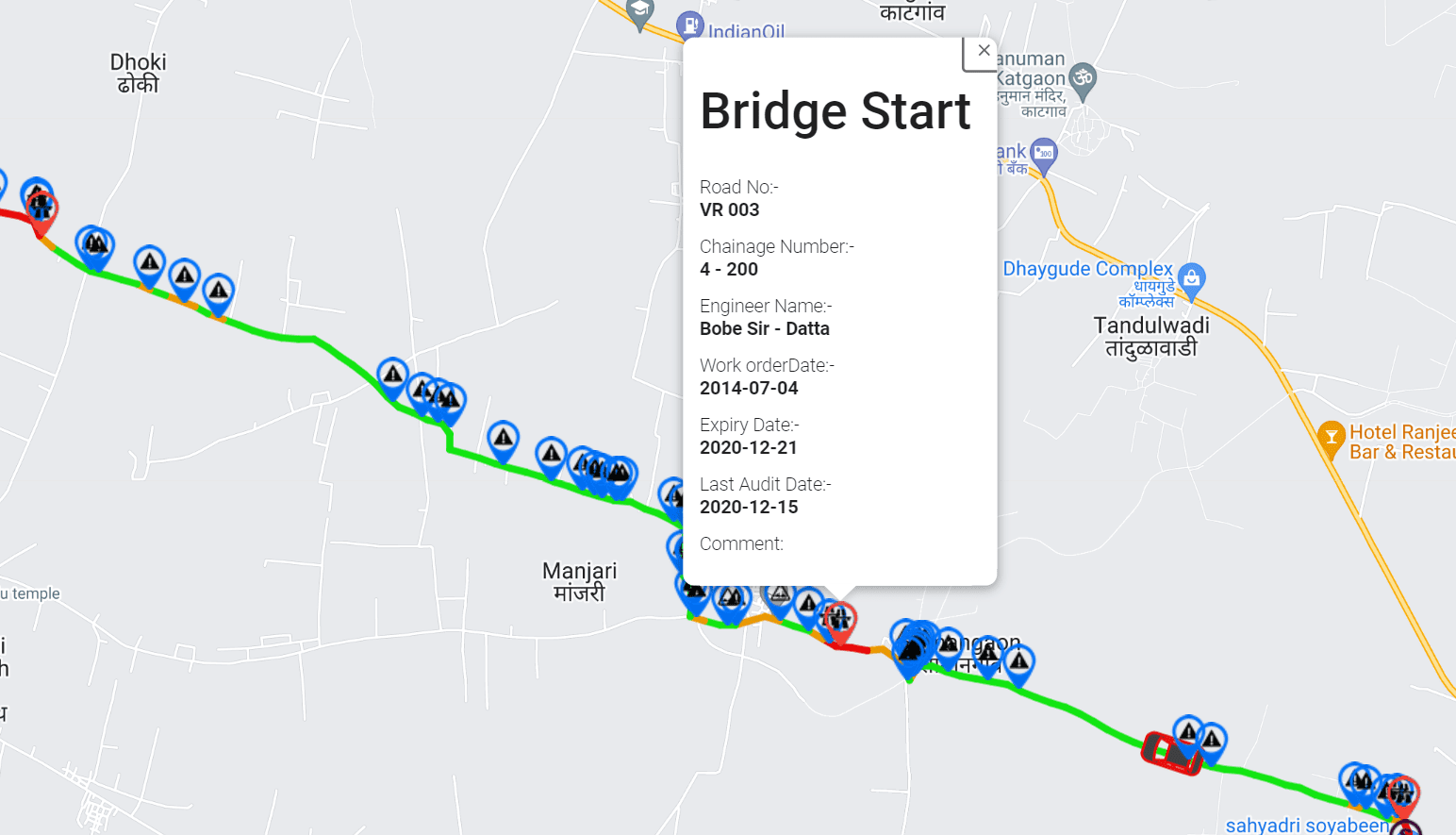
- Centralized dashboards for data visualization
- Easy access for engineers and decision-makers
Integration with Intelligent Transportation Systems
- Seamless connectivity with Intelligent Transportation Systems
- Enables traffic-aware maintenance planning
Scalable Digital Platforms
- Flexible Digital Road Monitoring Solutions for cities and highways
- Suitable for both urban and rural infrastructure
Key Insight:
Smart systems don’t just detect problems—they predict them before they become critical.
How Smart Monitoring Systems Work
Understanding how these systems operate helps highlight their efficiency and innovation.
Step 1: Data Collection
Sensors, cameras, and IoT devices mounted on vehicles or infrastructure capture:
- Surface defects
- Traffic patterns
- Environmental conditions
Step 2: Data Transmission
Collected data is transmitted in real-time via:
- Cloud platforms
- Edge computing systems
Step 3: Data Processing & AI Analysis
AI models analyze:
- Crack severity
- Pavement degradation
- Structural risks
Step 4: Visualization & Reporting
- Interactive dashboards
- GIS-based mapping tools
- Actionable insights for maintenance teams
Step 5: Decision-Making
Authorities use insights for:
- Prioritizing repairs
- Budget allocation
- Long-term infrastructure planning
Benefits of Smart Road Monitoring Systems
Adopting Smart Infrastructure Technology delivers measurable advantages across the entire lifecycle of road management.
Improved Road Safety
- Early detection of hazards
- Reduced accidents caused by poor road conditions
Cost Efficiency
- Optimized maintenance schedules
- Reduced emergency repair costs
Data-Driven Decisions
- Accurate insights for Road Asset Management
- Better allocation of resources
Faster Inspections
- Automated surveys replace manual inspections
- Large-scale coverage in less time
Predictive Maintenance
- AI-driven forecasts prevent infrastructure failure
- Extends pavement lifespan
Environmental Sustainability
- Reduced fuel usage due to optimized maintenance
- Lower carbon footprint from fewer manual inspections
Key Insight:
Predictive maintenance powered by AI can reduce road repair costs by up to 30–40%.
Why They Matter for Modern Infrastructure
In today’s fast-growing urban environments, infrastructure must be:
- Efficient
- Scalable
- Sustainable
Smart Highway Monitoring plays a critical role in achieving these goals.
Urban Challenges Addressed:
- Traffic congestion
- Rapid wear and tear
- Budget constraints
Strategic Importance:
- Supports smart city initiatives
- Enhances mobility and logistics efficiency
- Enables proactive infrastructure governance
Governments and planners increasingly rely on Infrastructure Monitoring Systems to ensure roads meet modern performance standards.
Use Cases in Urban & Highway Infrastructure
Smart monitoring systems are versatile and adaptable across various environments.
Urban Roads
- Continuous Road Surface Monitoring for potholes and cracks
- Integration with smart city platforms
- Real-time alerts for maintenance teams
Highways & Expressways
- Smart Highway Monitoring for long-distance routes
- Traffic load analysis
- Predictive maintenance for heavy-use corridors
Rural Infrastructure
- Cost-effective Digital Road Monitoring Solutions
- Improved connectivity and accessibility
Construction & Contractors
- Quality assurance during road construction
- Performance tracking post-deployment
Challenges with Traditional Monitoring Methods
Before the rise of smart systems, road monitoring relied heavily on manual processes.
Limitations Include:
- Time-consuming inspections
- Human error and subjectivity
- Limited data accuracy
- High operational costs
- Lack of real-time insights
Major Drawbacks:
- Reactive maintenance instead of proactive
- Poor scalability for large road networks
- Inefficient Road Maintenance Technology
Key Insight:
Traditional methods fix problems after they occur—smart systems prevent them altogether.
Future Trends in Smart Road & Infrastructure Monitoring
The future of road monitoring is rapidly evolving with emerging technologies.
AI & Machine Learning Advancements
- More accurate defect detection
- Autonomous decision-making systems
Integration with Autonomous Vehicles
- Roads communicating with vehicles
- Enhanced safety and navigation
Advanced IoT Ecosystems
- Smart sensors embedded directly into roads
- Real-time structural health monitoring
Digital Twins for Infrastructure
- Virtual replicas of road networks
- Simulation-based planning and maintenance
Edge Computing
- Faster processing of road data
- Reduced latency in AI Road Monitoring
Sustainability-Driven Innovations
- Eco-friendly materials tracking
- Smart energy-efficient monitoring systems
Conclusion
The transition to Smart Road Monitoring Systems marks a major leap forward in how we build, maintain, and manage infrastructure. By leveraging AI Road Monitoring, IoT in Road Monitoring, and Digital Road Monitoring Solutions, organizations can achieve unprecedented levels of efficiency, safety, and cost savings.
As infrastructure demands continue to grow, adopting smart technologies is no longer optional—it’s essential. To gain a deeper understanding of how these solutions work together across the entire ecosystem, explore our complete guide on road condition monitoring solutions.
Ready to transform your road infrastructure with intelligent monitoring?
Book a demo today, request a consultation, and explore how smart monitoring solutions can revolutionize your road management strategy.



Leave a Reply