
Road networks are the backbone of any economy—but what happens when they start failing silently? Poor road conditions not only increase maintenance costs but also lead to safety risks, inefficient logistics, and public dissatisfaction.
A road condition monitoring system is no longer a luxury—it’s a necessity for modern infrastructure management. With increasing traffic loads and climate challenges, traditional inspection methods simply cannot keep up.
What is a Road Condition Monitoring System?
A road condition monitoring system refers to a combination of technologies, tools, and methodologies used to assess, track, and analyze the health of road infrastructure.
These systems help measure key parameters such as:
- International Roughness Index (IRI)
- Surface distress (cracks, potholes, rutting)
- Ride quality and smoothness
- Structural integrity of pavements
Modern road monitoring solutions leverage mobile sensors, AI-driven analytics, and cloud platforms to deliver real-time insights.
Why Traditional Road Monitoring Falls Short
Conventional road inspections rely heavily on manual surveys, which are:
- Time-consuming
- Expensive
- Inconsistent due to human error
- Limited in coverage and frequency
This creates delays in identifying critical issues, leading to higher repair costs and reduced road lifespan.
Key Problem: By the time damage is detected, it’s often too late for cost-effective maintenance.
Evolution of Smart Road Monitoring Systems
With advancements in technology, smart road monitoring systems are transforming how infrastructure is managed.
Key Innovations Include:
- Mobile-based data collection using smartphones
- AI-powered image recognition for defect detection
- Cloud-based dashboards for centralized monitoring
- Real-time analytics for proactive decision-making
Solutions like RoadBounce demonstrate how mobile-first approaches can replace expensive hardware with scalable, cost-effective alternatives.
Core Components of Road Monitoring Solutions
A comprehensive infrastructure monitoring system typically includes the following components:
Data Collection Tools
- Smartphones or IoT sensors mounted on vehicles
- GPS-enabled tracking systems
- Accelerometers for vibration analysis
Data Processing Engine
- Algorithms to calculate IRI values
- Machine learning models for defect classification
- Data normalization and validation systems
Visualization Dashboard
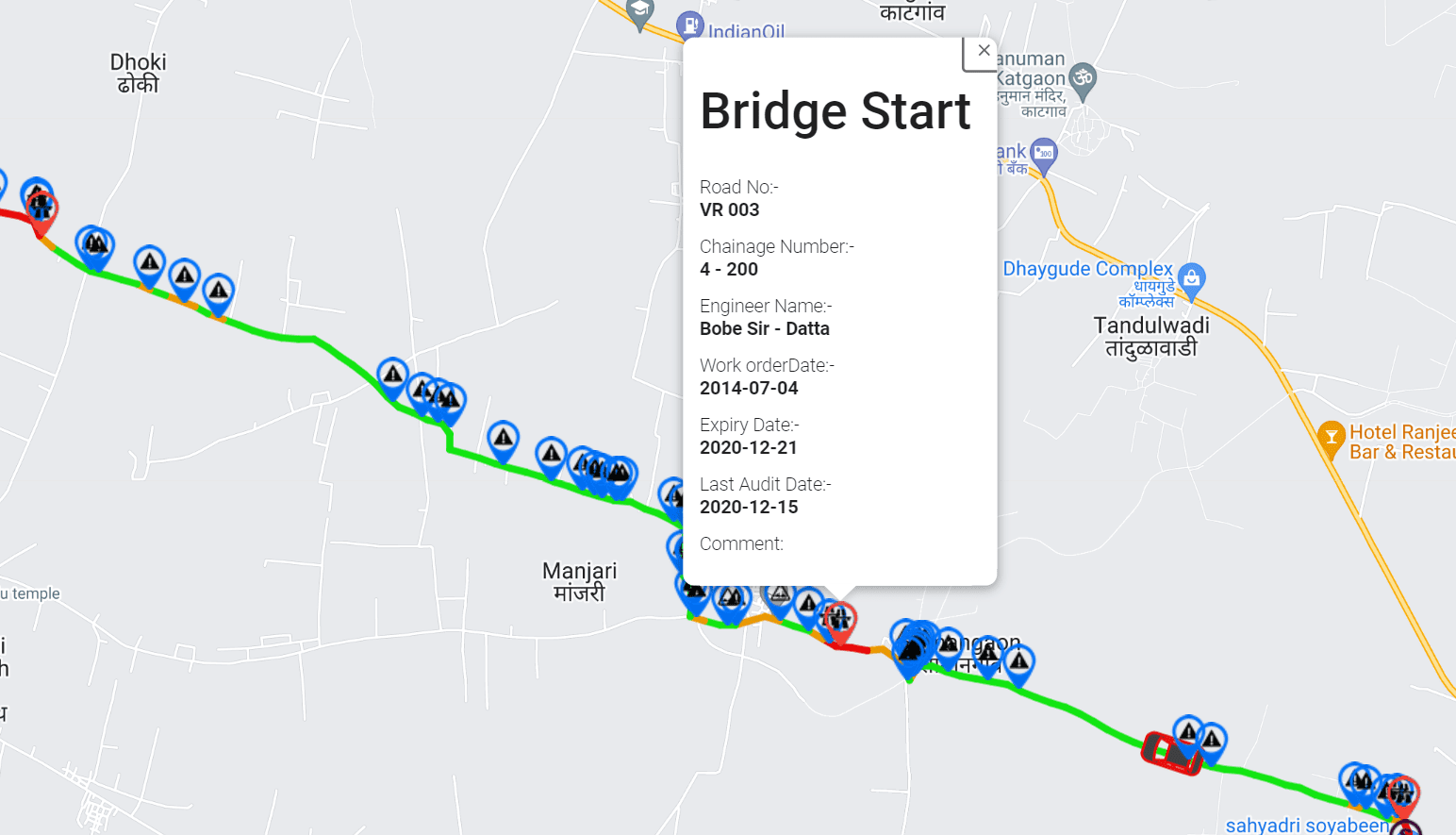
- Interactive maps
- Condition heatmaps
- Historical performance trends
Reporting & Alerts
- Automated reports for authorities
- Predictive maintenance alerts
- Budget planning insights
How a Road Condition Monitoring App Works
A road condition monitoring app simplifies data collection and analysis by turning everyday devices into powerful monitoring tools.
Step-by-Step Workflow:
- Data Capture
Vehicles equipped with smartphones collect road data while driving. - Sensor Analysis
Accelerometer and GPS data measure road roughness and detect anomalies. - Cloud Upload
Data is automatically uploaded to a centralized platform. - AI Processing
Algorithms calculate IRI and identify road defects. - Visualization
Engineers and decision-makers access dashboards with actionable insights.
This approach ensures continuous, scalable, and cost-efficient monitoring.
Key Benefits of Smart Road Monitoring Systems
1. Cost Reduction
- Reduce manual survey costs
- Optimize maintenance budgets
- Prevent expensive full-scale repairs
2. Real-Time Monitoring
- Continuous data collection
- Immediate detection of road deterioration
3. Improved Safety
- Early identification of hazards
- Better road quality for users
4. Data-Driven Decision Making
- Prioritize repairs based on actual conditions
- Allocate resources efficiently
5. Scalability
- Monitor thousands of kilometers with minimal investment
- Easily expand across regions
Use Cases Across Industries
Government & Municipal Authorities
- National highway monitoring
- Urban road maintenance planning
- Smart city initiatives
Contractors & Consultants
- Quality assurance during construction
- Post-construction performance tracking
Logistics & Fleet Companies
- Route optimization based on road conditions
- Reduced vehicle wear and tear
Infrastructure Agencies
- Long-term asset management
- Lifecycle cost optimization
Understanding IRI Measurement in Road Monitoring
The International Roughness Index (IRI) is a globally recognized standard for measuring road smoothness.
Why IRI Matters:
- Indicates ride quality
- Helps benchmark road performance
- Essential for pavement management systems
Modern road monitoring solutions automate IRI calculation using mobile sensors, eliminating the need for expensive profilometers.
Integration with Pavement Management Systems (PMS)
A road condition monitoring system becomes even more powerful when integrated with a Pavement Management System (PMS).
Benefits of Integration:
- Centralized asset management
- Predictive maintenance planning
- Long-term budget forecasting
By combining real-time monitoring with PMS, organizations can shift from reactive maintenance to proactive infrastructure management.
Challenges in Implementing Road Monitoring Systems
Despite the benefits, organizations may face challenges such as:
- Data accuracy concerns
- Integration with legacy systems
- Initial adoption resistance
- Training requirements
However, modern mobile-based platforms significantly reduce these barriers by offering:
- Easy deployment
- Minimal hardware requirements
- User-friendly interfaces
Future Trends in Road Monitoring Technology
The future of infrastructure monitoring systems is driven by innovation:
- AI & Machine Learning
- Big Data & Analytics
- IoT Integration
- Autonomous Monitoring
Why Choose Modern Mobile-Based Solutions
Traditional systems are often expensive and limited. Modern solutions like RoadBounce offer:
- Affordable deployment using smartphones
- Scalable infrastructure monitoring
- Real-time analytics dashboards
- Seamless integration with existing systems
This makes them ideal for governments, contractors, and infrastructure companies looking to modernize operations without heavy investment.
Best Practices for Implementing Road Monitoring Solutions
To maximize the effectiveness of your road condition monitoring system, follow these best practices:
- Start with pilot projects
- Ensure data calibration and validation
- Train field teams properly
- Integrate with existing workflows
- Use analytics for decision-making
Final Thoughts
Road infrastructure is too critical to be managed with outdated methods. A modern road condition monitoring system empowers organizations to make smarter, faster, and more cost-effective decisions.
With scalable, mobile-based technologies, real-time data, and AI-driven insights, the future of road monitoring is here—and it’s transforming how we build and maintain infrastructure.
Ready to upgrade your road monitoring capabilities?
Explore how modern solutions like RoadBounce can help you implement a smart road monitoring system tailored to your needs.
Request a demo today, explore advanced analytics tools, and take the first step toward smarter infrastructure management.


Leave a Reply