
When evaluating the quality and performance of a road, the terms pavement smoothness and pavement flatness are often used interchangeably. However, they describe different characteristics of a pavement surface and serve different purposes throughout the lifecycle of road infrastructure.
Understanding the distinction is essential for transportation agencies, pavement engineers, contractors, consultants, and infrastructure owners seeking to improve road performance, enhance ride quality, and make smarter maintenance decisions.
While flatness is typically associated with construction quality and surface uniformity over short distances, smoothness reflects the overall riding experience across longer stretches of pavement. Together, these metrics provide valuable insights into pavement condition, construction quality, and long-term asset management.
This article explains the differences between pavement smoothness and flatness, how each is measured, and how modern smartphone-based monitoring technologies like RoadBounce help agencies monitor pavement smoothness continuously across entire road networks.
Understanding Pavement Smoothness
Pavement smoothness refers to how comfortably a vehicle travels over a roadway. It represents the amount of vertical movement experienced by vehicles as they move along the pavement.
Smooth roads deliver:
- Better ride comfort
- Reduced vehicle operating costs
- Lower fuel consumption
- Improved safety
- Reduced pavement deterioration
- Increased user satisfaction
Smoothness is generally evaluated over long roadway sections and reflects the overall condition of the pavement network rather than isolated surface irregularities.
One of the most widely recognized indicators of pavement smoothness is the International Roughness Index (IRI), which estimates ride quality based on the longitudinal profile of the pavement.
Higher IRI values generally indicate rougher roads, while lower values represent smoother pavement surfaces.
Understanding Pavement Flatness
Pavement flatness measures how close the pavement surface is to an ideal plane over relatively short distances.
Unlike smoothness, flatness focuses on:
- Surface uniformity
- Local bumps
- Surface depressions
- Construction tolerances
- Finished paving quality
Flatness is particularly important during:
- New pavement construction
- Concrete paving
- Airport runways
- Industrial floors
- Bridge decks
- Acceptance inspections
Contractors often use flatness measurements to verify that newly constructed pavement meets specified construction tolerances before project acceptance.
Smoothness vs Flatness: The Key Differences
| Feature | Pavement Smoothness | Pavement Flatness |
|---|---|---|
| Primary Focus | Ride quality | Surface uniformity |
| Measurement Scale | Long roadway sections | Short surface segments |
| Main Objective | User comfort and pavement performance | Construction quality control |
| Typical Metric | International Roughness Index (IRI) | Straightedge measurements, profile deviations, flatness specifications |
| Used During | Asset management and maintenance | Construction and acceptance testing |
| Supports | Pavement management | Quality assurance and quality control |
Although related, these two characteristics answer different questions.
Smoothness asks: How comfortable is the ride?
Flatness asks: How accurately was the pavement constructed?
Why Smoothness Matters for Pavement Management
For transportation agencies responsible for thousands of miles of roadway, monitoring pavement smoothness provides valuable information about network health.
Smoothness data helps agencies:
- Detect deterioration trends
- Prioritize maintenance projects
- Optimize rehabilitation budgets
- Improve user experience
- Monitor pavement performance over time
- Evaluate long-term maintenance effectiveness
Rather than inspecting only after complaints arise, agencies can monitor pavement conditions proactively and schedule maintenance before deterioration accelerates.
Why Flatness Matters During Construction
Flatness plays a critical role during pavement construction because it helps verify whether the finished surface complies with design specifications.
Typical applications include:
- New concrete pavement
- Asphalt paving
- Bridge deck construction
- Airport pavement construction
- Industrial flooring
- Quality assurance inspections
These measurements help contractors identify localized defects that require correction before project completion.
Because construction acceptance often requires highly accurate measurements, specialized engineering equipment remains essential during this phase.
How Pavement Smoothness Changes Over Time
Even if a newly constructed road is exceptionally flat, it will gradually lose smoothness as it ages.
Several factors contribute to this process:
- Traffic loading
- Heavy commercial vehicles
- Freeze-thaw cycles
- Moisture infiltration
- Rutting
- Cracking
- Utility cuts
- Settlement
- Patching
- Environmental conditions
This gradual deterioration makes recurring pavement monitoring an important part of effective infrastructure management.
The Growing Importance of Network-Wide Monitoring
Many road agencies manage extensive transportation networks where conducting frequent engineering-grade surveys on every roadway is impractical due to cost and resource constraints.
As a result, there is increasing demand for scalable methods that can provide regular insights into pavement condition across large geographic areas.
Smartphone-based monitoring enables agencies to collect road condition information more frequently, helping them identify changing conditions and prioritize locations that may require further investigation.
How RoadBounce Supports Network-Wide Pavement Monitoring
RoadBounce is a smartphone-based road condition monitoring and infrastructure intelligence platform designed for large-scale pavement screening and recurring network assessments.
Instead of focusing solely on isolated road segments, RoadBounce enables agencies to gather pavement condition data continuously across extensive road networks using everyday vehicles equipped with smartphones.
The platform combines multiple sources of infrastructure intelligence, including:
- Smartphone-based ride quality measurements
- International Roughness Index (IRI) estimation
- AI-powered pavement distress detection
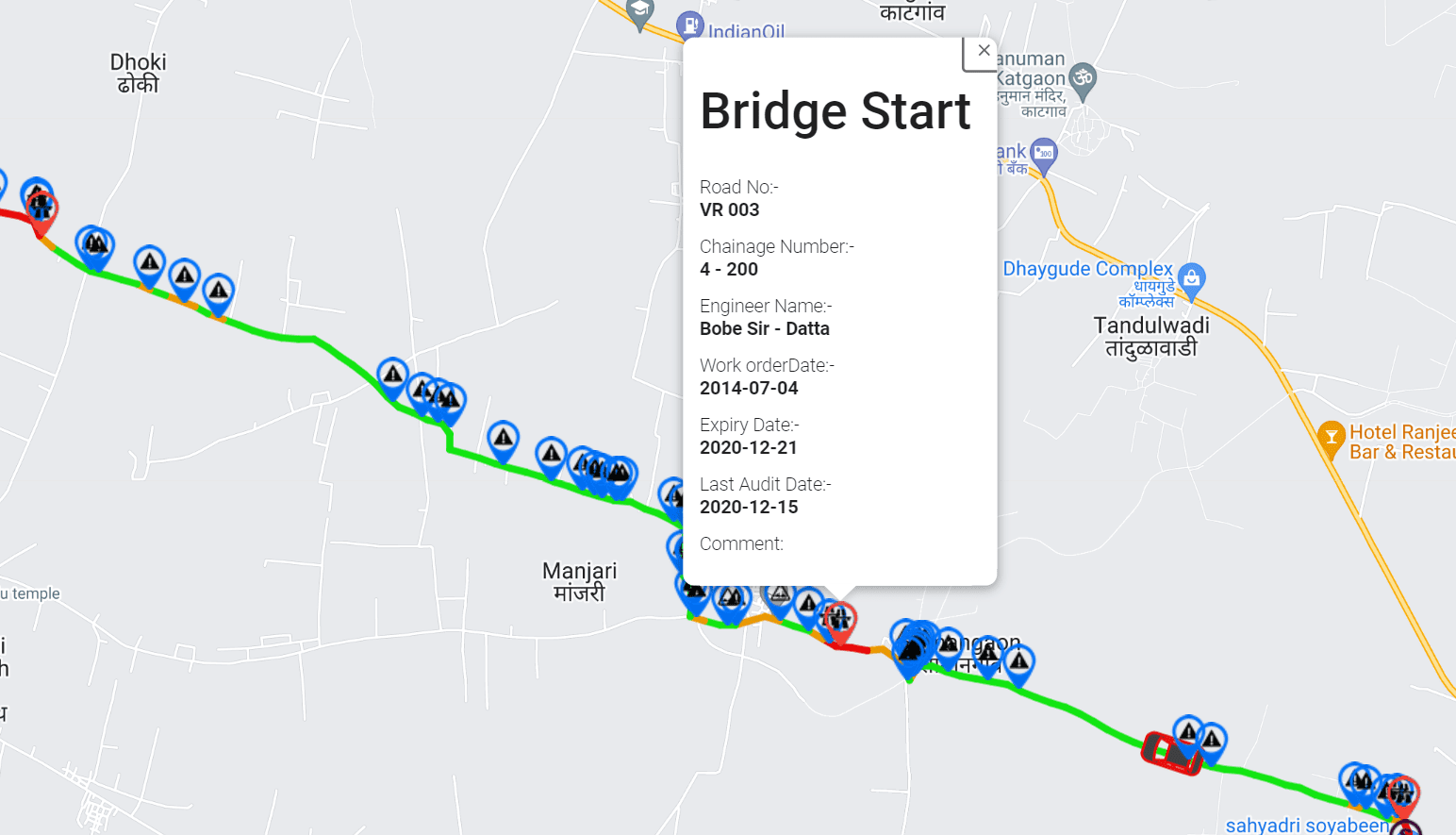
- GIS-enabled mapping
- Historical condition tracking
- Maintenance prioritization analytics
- Recurring road condition monitoring
This integrated approach provides transportation agencies with a broader understanding of pavement performance and emerging deterioration patterns.
RoadBounce and Traditional Road Profilers: Complementary Technologies
It is important to recognize that smartphone-based monitoring and engineering-grade profiling serve different purposes.
Traditional profilers remain valuable for detailed engineering investigations, while smartphone-based monitoring solutions provide cost-effective network-wide screening and continuous monitoring.
RoadBounce complements established pavement evaluation programs by helping agencies:
- Screen large road networks efficiently
- Identify areas showing signs of deterioration
- Monitor pavement trends between engineering surveys
- Support maintenance planning with recurring data collection
- Optimize deployment of specialized survey vehicles
When RoadBounce identifies priority locations requiring further analysis, transportation agencies can deploy traditional profiling equipment to conduct detailed engineering investigations and validation where appropriate.
This complementary workflow enables organizations to allocate specialized resources more effectively while maintaining visibility across their entire road network.
Benefits of Continuous Pavement Monitoring
Regular monitoring offers several operational advantages compared with infrequent inspections.
Organizations can:
- Detect deterioration earlier
- Compare road conditions over time
- Measure maintenance outcomes
- Improve budgeting accuracy
- Support data-driven asset management
- Reduce unexpected pavement failures
- Strengthen long-term infrastructure planning
Rather than relying solely on periodic engineering surveys, agencies gain continuous visibility into network performance throughout the year.
AI and GIS Add New Dimensions to Pavement Intelligence
Modern infrastructure management extends beyond ride quality alone.
RoadBounce enhances pavement monitoring by integrating AI-powered visual inspections with geographic information systems (GIS), enabling agencies to better understand where and how pavement conditions are changing.
AI-assisted analysis can help identify common surface distresses such as:
- Cracking
- Potholes
- Surface wear
- Edge deterioration
- Other visible pavement defects
When combined with GIS mapping and recurring condition data, agencies can visualize deterioration patterns, compare historical performance, and support more informed maintenance planning across their road networks.
Supporting Smarter Maintenance Decisions
Infrastructure budgets are often limited, making maintenance prioritization a critical responsibility for road agencies.
By collecting recurring pavement condition data at scale, organizations can:
- Rank road sections by condition
- Focus inspections where they are most needed
- Schedule preventive maintenance before deterioration accelerates
- Improve capital planning
- Monitor rehabilitation effectiveness
These insights help maximize the value of maintenance investments while extending pavement service life.
Conclusion
Although pavement smoothness and pavement flatness are closely related, they address different aspects of roadway performance.
Flatness primarily evaluates construction quality and localized surface uniformity, while smoothness reflects the long-term riding experience and overall pavement condition experienced by road users.
For transportation agencies managing extensive road networks, continuous monitoring of pavement smoothness provides valuable infrastructure intelligence that supports preventive maintenance, asset management, and strategic investment planning.
RoadBounce complements traditional pavement evaluation programs by enabling cost-effective, smartphone-based network screening, recurring road condition monitoring, AI-assisted pavement assessments, GIS-enabled infrastructure analytics, and maintenance prioritization.
Rather than replacing specialized engineering profiling equipment, RoadBounce helps organizations monitor larger networks more frequently, identify priority locations earlier, and make more informed decisions about where detailed engineering investigations should be performed—creating a more efficient and data-driven approach to modern pavement management.


Leave a Reply